

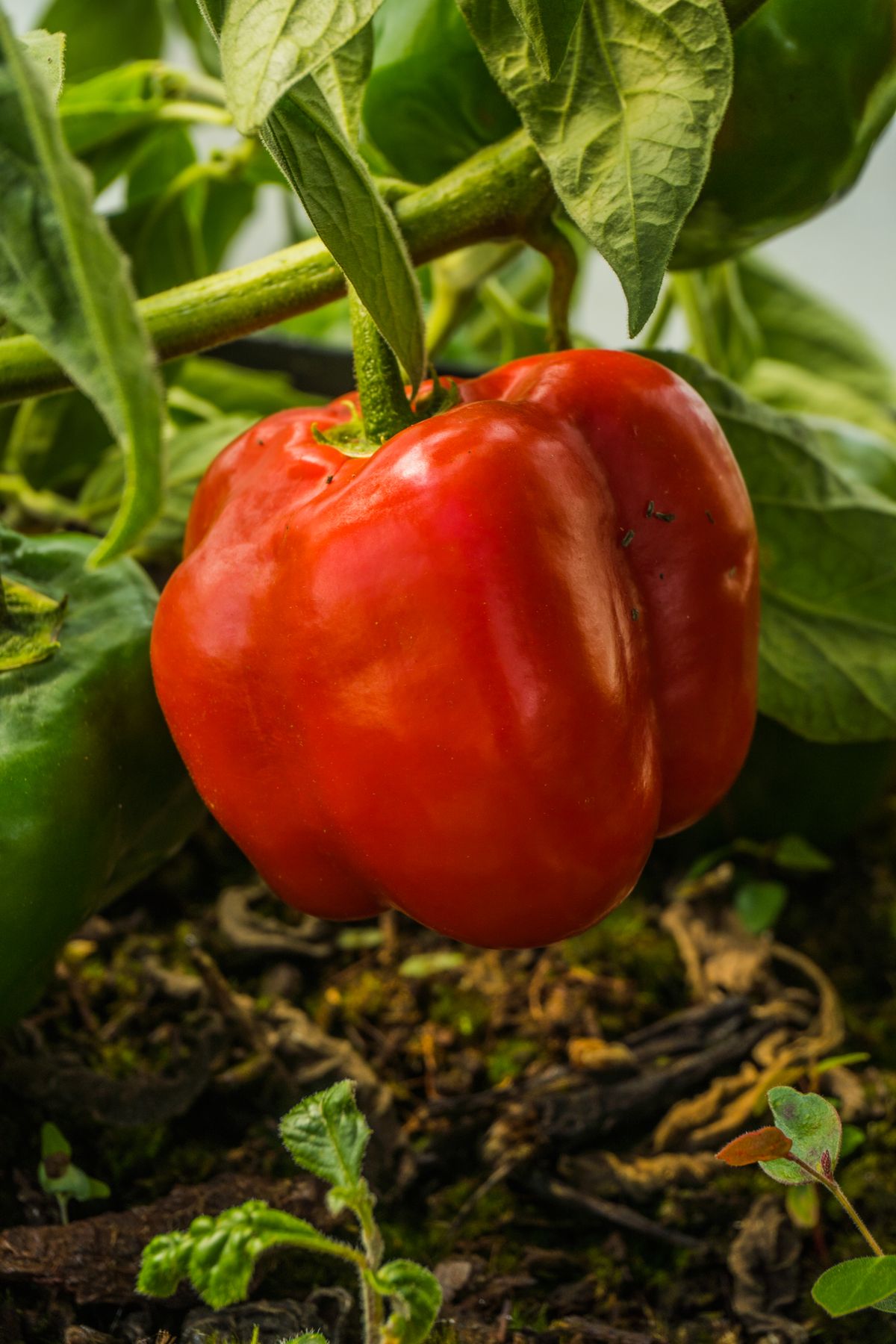
Peppers are the garden’s slow starters and its late-season heroes: given heat, patience and steady care, a single plant can produce dozens of fruits from midsummer until the first frost. Yet many gardeners end the season with three small peppers and a lot of questions. The difference is rarely luck. Peppers simply have a short list of non-negotiables — warmth above all — and they reward anyone who respects them. Work through these ten pepper growing tips and your plants will grow stockier, flower earlier and keep setting fruit long after your neighbours’ plants have given up.
1. Start Seeds Early Indoors
Peppers are slow: most varieties need eight to ten weeks indoors before they are ready for the garden, and hot types need even longer. Sow seeds in late winter on a warm windowsill or heat mat, because pepper seeds germinate best in genuinely warm soil. Gardeners who buy or sow late spend the whole summer playing catch-up, and the harvest shrinks before it even begins.
2. Wait for Warm Nights Before Transplanting
Nothing stalls a pepper like cold soil. Transplant only when night temperatures stay reliably above ten degrees and the soil feels warm to the touch, even if that means waiting a week or two past the last frost date. A plant rushed into cold ground can sulk for a month. A plant set out into warmth grows from day one, and that head start shows up directly in the final count of peppers.
3. Give Them the Hottest, Sunniest Corner
Peppers evolved in warm climates and they want your sunniest spot: at least six to eight hours of direct sun, ideally against a south-facing wall that stores heat and releases it at night. In cool regions, a pot on a sunny patio often outperforms a bed in open ground, because the roots stay warmer. Shade, even partial shade, trades fruit for leaves every single time.
4. Space Plants So Air and Sun Reach Every Leaf
Crowded peppers compete for light, trap humid air and invite the fungal problems that strip leaves just when fruits are sizing up. Space sweet peppers about forty-five centimetres apart and smaller hot types a little closer, in rows wide enough to walk between. Good spacing also makes picking easier, so ripe fruit never hides and rots unnoticed at the back of a jungle.
5. Feed Steadily, But Go Easy on Nitrogen
Peppers are hungry once they start flowering, but the wrong food ruins the harvest: heavy nitrogen feeds grow gorgeous dark leaves and almost no fruit. Use a balanced or tomato-style feed once flowering begins, every two weeks, and keep it steady rather than heroic. A handful of compost at planting plus regular liquid feeding beats one huge dose that burns roots and pushes soft, pest-prone growth.
6. Water the Roots, Never the Leaves
Inconsistent watering is behind the two classic pepper complaints: blossom end rot and fruit that splits after a downpour. Water deeply at the base two or three times a week in hot weather, aiming for evenly moist soil rather than a flood-and-drought cycle. Morning watering keeps foliage dry, and a thick mulch (see tip eight) smooths out the moisture swings that stress the plant most.
7. Pinch the First Flowers on Young Plants
It feels cruel, but removing the first few flower buds from a small transplant pays you back with interest. A plant allowed to fruit while it is still tiny puts all its energy into two early peppers and stops growing. Pinching redirects that energy into roots and branches for two or three weeks, and the bigger frame that results can carry three times the fruit by late summer.
8. Mulch to Keep Heat In and Splashes Off
Once the soil has warmed up, cover it with five to eight centimetres of straw, shredded leaves or grass clippings. Mulch holds moisture steady, keeps soil from splashing onto leaves during rain (a major route for disease), and smothers the weeds that steal water. In cool climates, black fabric or dark stone mulch around the base adds precious extra warmth to the root zone.
9. Support Plants Before They Load Up
A pepper heavy with fruit is a pepper waiting to snap in the first summer storm. Push a sturdy stake or small cage in at transplanting time, while the roots are small, and tie the main stem loosely as it grows. Support also lifts branches off the soil, improving airflow and keeping ripening fruit clean, visible and far from slugs.
10. Pick Often to Keep Plants Producing
Peppers respond to picking the way courgettes do: the more you harvest, the more the plant flowers and sets new fruit. Take sweet peppers as soon as they reach full size, green or coloured, and never leave ripe fruit sitting for weeks signalling the plant to slow down. At season’s end, pick everything before the first frost — even the green ones ripen happily on a sunny windowsill indoors.
Heat, patience and steady picking: that is the whole pepper secret. Give your plants a warm start, feed the flowers rather than the leaves, and harvest relentlessly, and the basket will fill itself.