

Compost is garden gold: free, natural fertiliser that improves soil, feeds plants and reduces waste. But a compost heap can just as easily turn into a smelly, slimy mess that does more harm than good. Most compost problems come from a handful of common mistakes, and every one of them is easy to fix. Here are the eight mistakes that ruin garden soil — and what to do instead.
Adding Greens Without Browns
Compost needs a balance of greens (nitrogen-rich: grass clippings, kitchen scraps) and browns (carbon-rich: dry leaves, cardboard, straw). Too many greens and the heap turns into a slimy, smelly sludge. Aim for roughly two or three parts browns to one part greens by volume. Every time you add a bucket of kitchen scraps, cover it with a generous handful of shredded cardboard or dry leaves. The balance keeps the heap sweet-smelling and working fast.
Letting the Heap Dry Out Completely
The microbes that break down compost need moisture to work. A heap that dries out completely goes dormant — nothing rots, and the pile just sits there for months. The compost should feel like a wrung-out sponge: damp, but not dripping. In dry weather, water the heap occasionally and cover it with a lid or an old carpet to hold in moisture. A quick squeeze test tells you all you need to know.
Drowning It Into a Swamp
Too much water is just as bad as too little. A waterlogged heap has no air, and the microbes that need oxygen die off, replaced by the ones that produce that awful rotten smell. If your heap is soggy, add dry browns, fork it over to let air in, and cover it so rain cannot pour in. Good drainage underneath the heap — a few bricks or a pallet — helps enormously.
Never Turning or Adding Air
Compost needs oxygen, and a heap that is never turned slowly suffocates. The centre compacts, cools down and stops breaking down. Turn the heap with a fork every few weeks, moving the outside material into the middle. It is a bit of work, but it speeds up decomposition dramatically and keeps the heap hot and active. A well-turned heap can produce finished compost in a few months.
Tossing in Meat, Dairy and Oils
Meat, dairy, fats and oils do not belong in a home compost heap. They smell terrible as they rot, attract rats and flies, and break down very slowly. They can also carry harmful bacteria. Stick to fruit and vegetable scraps, coffee grounds, eggshells, grass clippings and garden waste. Cooked food, bread and pasta are best kept out too, or added only in tiny amounts buried deep in the heap.
Adding Diseased Plants and Weed Seeds
Throwing diseased plants or seeding weeds into the heap is asking for trouble. A home heap rarely gets hot enough to kill plant diseases or weed seeds, so they survive and spread back into the garden with the finished compost. Bin diseased material and weeds that have gone to seed, and compost only healthy plant matter. It is a small discipline that saves a lot of grief later.
Using Compost Before It Is Finished
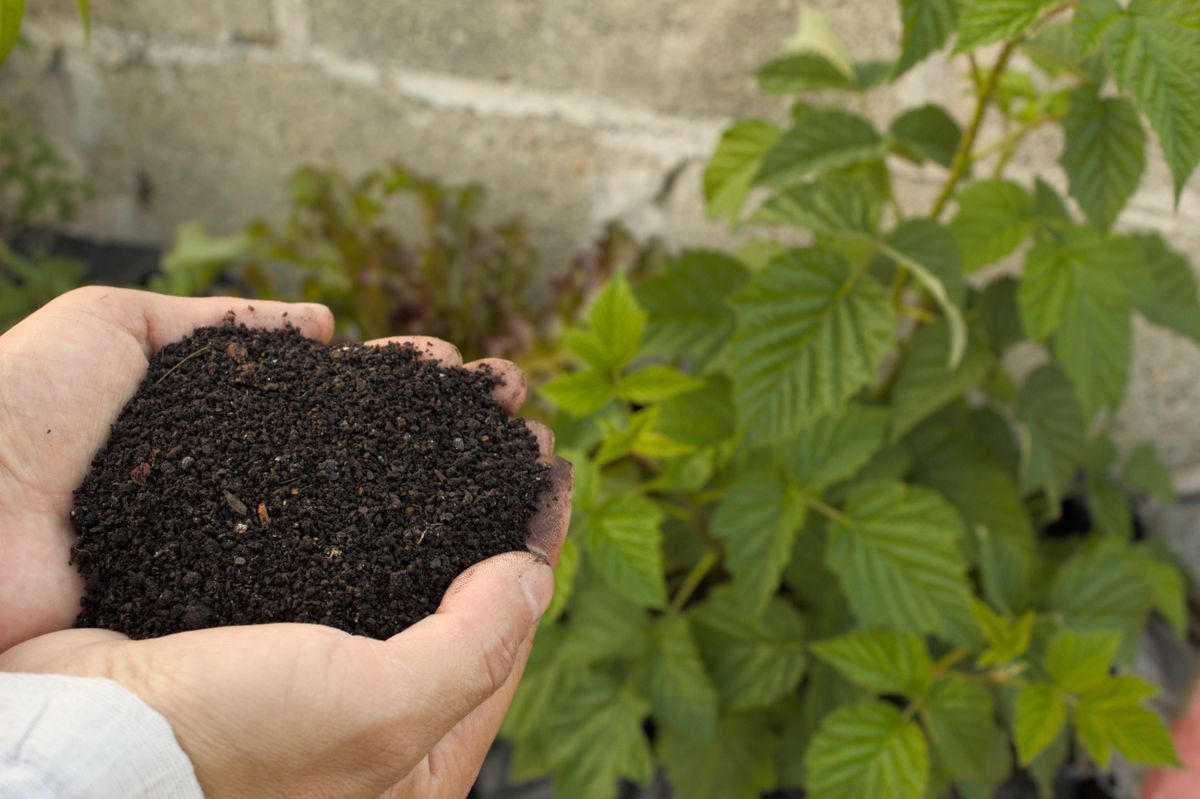
Unfinished compost still contains materials that are actively breaking down, and they will steal nitrogen from the soil as they do it — starving the very plants you meant to feed. Finished compost is dark, crumbly and smells like fresh earth, with no recognisable bits of food or leaves. Be patient: let the heap finish. If you are in a hurry, use the finished compost from the bottom of the heap and leave the rest to mature.
Building the Bin in Deep Shade on Cold Ground
Where you put the compost bin matters. A heap in deep shade on cold, damp ground stays cold and slow, and the microbes never get going. Choose a spot with some sun, on bare soil so worms and microbes can move in from below. Good drainage and a little warmth make a huge difference. A bin that gets a few hours of sun a day will work far faster than one hidden in the darkest corner of the garden.
Good compost is not complicated — it is just a matter of balance, air, moisture and patience. Fix these eight mistakes and your heap will turn kitchen scraps and garden waste into dark, sweet-smelling compost that your soil and plants will love.