

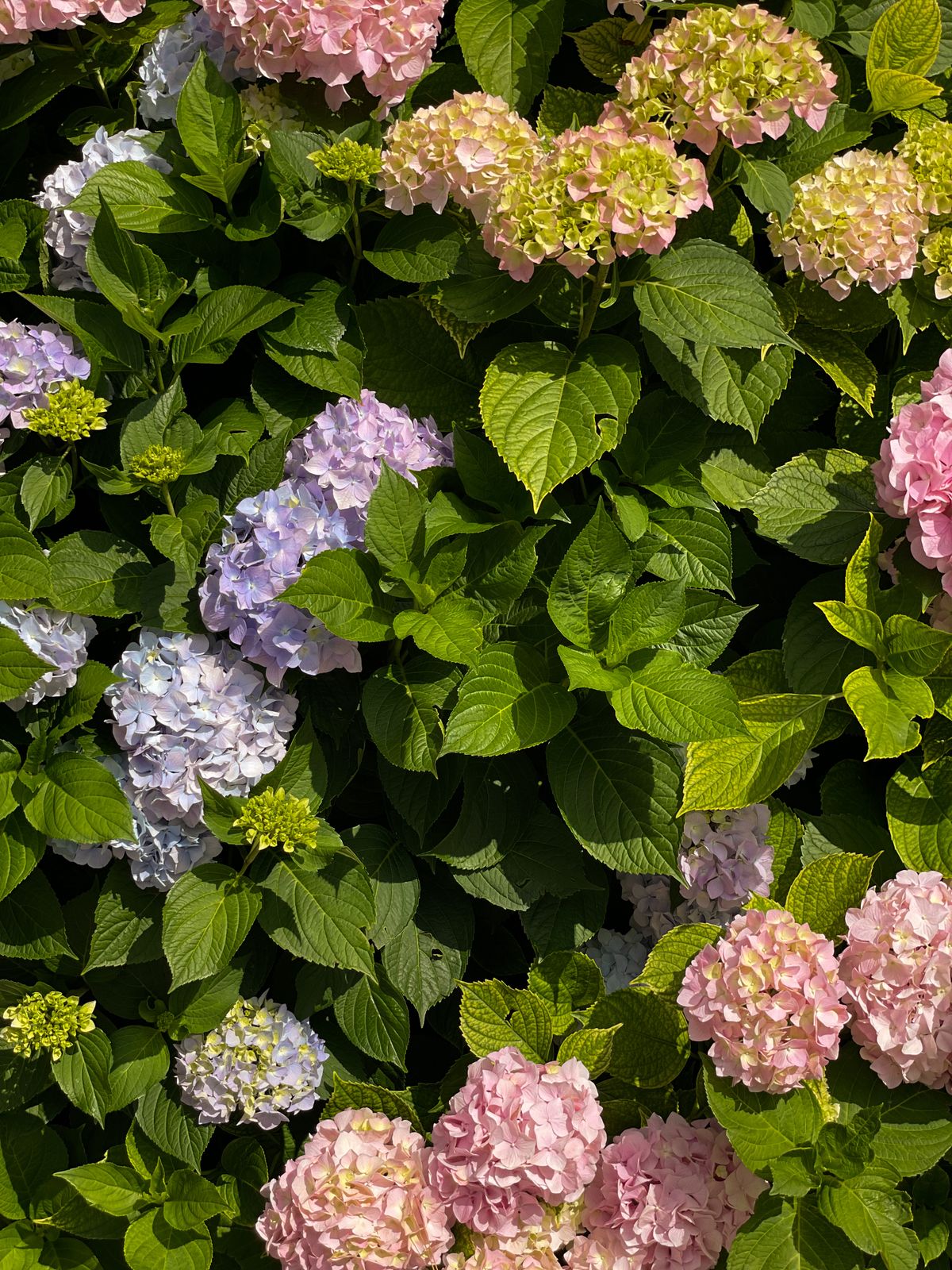
Hydrangeas are the show-offs of the summer garden: huge, generous flower heads in shades of blue, pink, white and purple that last for months. They look like they need expert care, but in fact they are forgiving plants that reward a few simple habits. Follow these ten hydrangea care tips and your shrubs will produce bigger, healthier blooms year after year.
Know Which Type You Own Before Pruning
Pruning is where most hydrangea mistakes happen, because different types bloom on different wood. Bigleaf and oakleaf hydrangeas bloom on old wood, so prune them right after flowering. Panicle and smooth hydrangeas bloom on new wood, so prune them in late winter. If you are not sure which type you have, watch when it flowers and check the leaf shape — or simply skip pruning for a year and observe.
Give Morning Sun and Afternoon Shade
Hydrangeas love light, but they wilt in harsh afternoon sun. The ideal spot gets gentle morning sun and shade during the hottest part of the day, especially in warm climates. Too much shade, though, and you will get plenty of leaves and few flowers. A spot near a fence or a tree that filters the afternoon sun is usually perfect.
Water Deeply at the Roots
Hydrangeas are thirsty plants — the name comes from the Greek word for water. Water deeply at the base, soaking the root zone, rather than sprinkling the leaves. In hot weather they may need water every day, especially in their first year. A long, slow soak is far better than a quick splash, and watering in the morning gives the plant the whole day to use it.
Mulch to Keep Roots Cool and Moist
A thick layer of mulch around the base of the plant keeps the roots cool, holds in moisture and suppresses weeds. Use bark, compost or shredded leaves, spread about 7 centimetres deep and kept a little away from the stems. Mulch also feeds the soil as it breaks down. Refresh it each spring, and your hydrangeas will stay happy through the hottest months.
Feed in Spring, Stop by Midsummer
Feed hydrangeas in spring as new growth begins, using a balanced fertiliser or one made for acid-loving plants. A second, lighter feed in early summer is fine, but stop feeding by midsummer — late feeding encourages soft growth that is easily damaged by frost. A handful of compost around the base each spring is a gentle, safe alternative that improves the soil as well.
Deadhead Spent Blooms the Light Way
Removing spent flowers keeps the plant tidy and can encourage a second flush on some varieties. Snip the faded bloom just above the first pair of healthy leaves, taking care not to cut into the new buds forming below. On old-wood types, be gentle and do it soon after flowering. Many gardeners leave the dried flower heads on through winter for frost protection and winter interest.
Change Colour With Soil, Slowly
Bigleaf hydrangeas are famous for changing colour with soil pH: acidic soil gives blue flowers, alkaline soil gives pink. You can shift the colour by adding aluminium sulphate for blue or garden lime for pink, but do it gradually over a season and test the soil first. White hydrangeas will not change colour, and the change takes months — patience is part of the fun.
Protect Buds From Late Frost
A late spring frost can kill the flower buds on old-wood hydrangeas and ruin a whole season of blooms. If frost is forecast, cover the shrub overnight with horticultural fleece or an old sheet, and remove it in the morning. Planting in a sheltered spot, away from frost pockets at the bottom of a slope, also helps. It is a small effort that saves a summer of flowers.
Give Big Shrubs Room to Breathe
Hydrangeas can grow large — some reach two metres across — so give them space. Crowded shrubs compete for light and air, which leads to weak growth and disease. When planting, check the expected mature size and space accordingly. If an established shrub is overcrowded, thin out a few of the oldest stems at the base to open up the centre and let light in.
Take Cuttings — They Root Easily
Hydrangeas are one of the easiest shrubs to propagate. In summer, cut a healthy, non-flowering shoot about 15 centimetres long, remove the lower leaves, and push it into moist compost. Keep it humid under a plastic bag or a cloche, and roots should form within a few weeks. Before long you will have free plants to fill gaps, share with friends or start a whole new hedge.
Hydrangeas ask for very little: the right light, plenty of water, a little mulch and a careful hand with the secateurs. Give them that, and they will reward you with spectacular blooms all summer, every summer.