

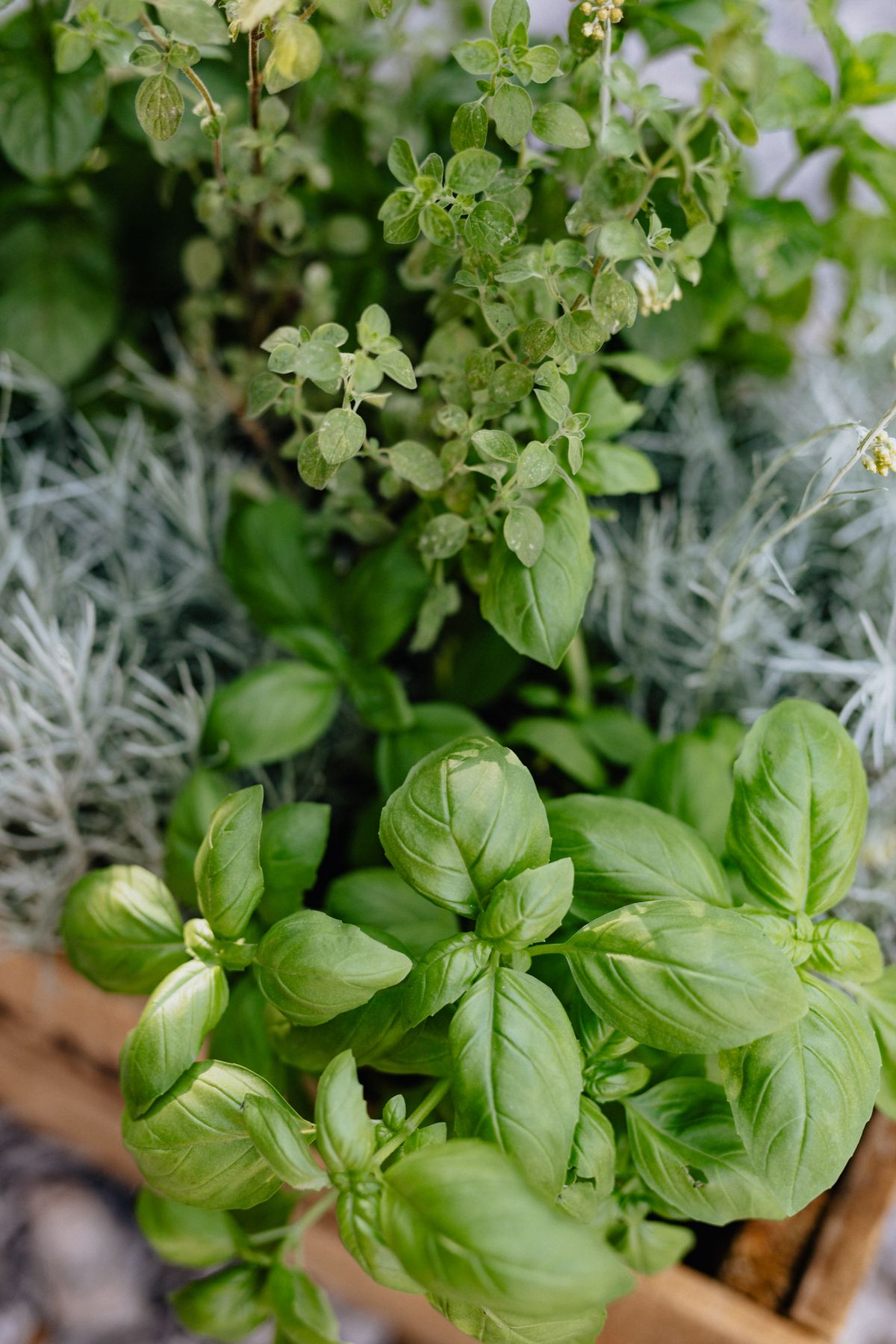
Herbs have a reputation as the easiest plants a beginner can grow, which makes it especially frustrating when the basil sulks, the rosemary turns grey and the mint takes over the entire bed. In almost every case, the plant is not difficult: one of a handful of classic herb garden mistakes is quietly working against it. The encouraging part is that every mistake on this list is easy to spot once you know it, and even easier to fix. Work through the seven, check them against your own pots and beds, and most struggling herb gardens recover within a few weeks.
1. Planting Mint Straight Into the Ground
Mint is the friendliest plant in the shop and the biggest bully in the border. Its roots run aggressively underground, sending up new shoots a metre or more from the mother plant, and within two seasons it can swamp slower neighbours completely. Beginners plant it in open soil once and spend years digging it out. The fix is simple and permanent: grow mint in its own large pot, always. If you want the pot in a bed, sink it with the rim above soil level, and never tip old mint compost onto beds, because root fragments restart the invasion.
2. Watering Every Herb the Same Way
A single watering routine for the whole herb collection quietly kills half of it. Mediterranean herbs such as rosemary, thyme, sage and lavender evolved in dry, stony soil and rot in ground that stays wet, while basil, parsley, coriander and mint are genuinely thirsty and wilt fast in drought. Beginners who water everything daily drown the rosemary; those who water weekly parch the basil. The fix is to group herbs by thirst: dry-loving herbs together in gritty soil or pots, moisture lovers together in richer ground, and water each group on its own schedule.
3. Never Pinching Basil, Then Wondering Why It Flowers
Basil has one ambition: to flower, set seed and die. If you only pick the big lower leaves, the plant grows tall, woody and bitter, then bolts at the first hot spell. The fix is to harvest from the top, pinching each stem just above a pair of leaves, which forces two new bushy shoots to grow in its place. Start pinching when the plant is fifteen centimetres tall, remove any flower buds the moment they appear, and your basil stays leafy and productive for months instead of weeks.
4. Growing Herbs in Too Little Sun
Most culinary herbs come from sunny climates, and in shade they grow pale, leggy and almost tasteless, because the aromatic oils that give them flavour are produced in strong light. A windowsill that looks bright to us is often dim to a plant, especially in winter. The fix is to give herbs the sunniest position you have: six hours of direct sun outdoors, a south-facing window indoors, or a simple grow light for winter basil. If a herb stretches tall with long gaps between leaves, it is not hungry, it is asking for light.
5. Using Pots Without Drainage, or Soil That Stays Soggy
More potted herbs die from wet roots than from drought. A pretty pot with no drainage hole, or heavy garden soil in a container, holds water around the roots until they suffocate and rot, and the first symptom, wilting, tricks beginners into watering even more. The fix: every herb pot needs drainage holes and a free-draining mix, ideally with grit or perlite stirred through. Empty saucers after watering, and always check with a finger before adding more: if the top two centimetres are still damp, wait.
6. Taking Too Much, or Nothing at All, at Harvest
Beginners tend to harvest herbs in two damaging ways. Some strip most of a young plant in one enthusiastic recipe, leaving it too weak to regrow. Others barely touch the plant, so it grows old, woody and bitter. The healthy middle path is the one-third rule: never take more than a third of the plant at once, harvest little and often, and always cut just above a leaf pair so regrowth comes quickly. Perennials such as rosemary and thyme should not be cut into bare old wood, which rarely sprouts again.
7. Feeding Herbs Like Vegetables
Rich soil and regular fertilizer seem generous, but for most herbs they dilute the very thing you are growing them for. Overfed herbs grow fast, soft and lush, with noticeably weaker flavour and scent, and they flop and attract aphids. The fix is restraint: plant Mediterranean herbs in lean, unfertilized soil and feed them nothing at all, and give hungrier soft herbs such as basil and parsley only an occasional weak liquid feed in the growing season. If your herbs taste bland, the answer is usually more sun and less food, not more.
None of these mistakes means you lack a green thumb; they are simply what happens when Mediterranean sun-lovers and thirsty soft herbs get treated as one generic group of plants. Pot the mint, split the watering by thirst, pinch the basil, chase the sun and go easy on the feed, and the same herbs that frustrated you will start behaving like the easy plants everyone promised. Fix one mistake at a time and taste the difference at dinner.