

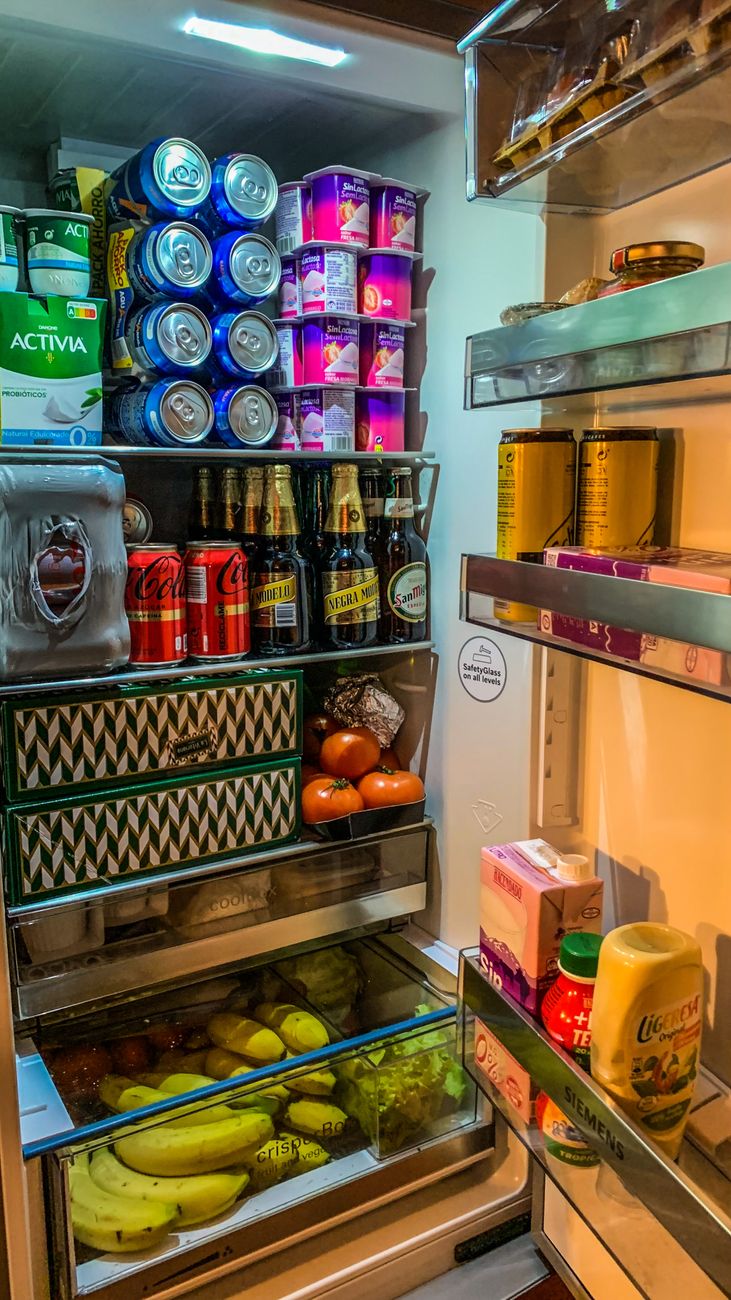
A well-organized fridge does more than look good. It helps food stay fresh longer, cuts waste, and makes cooking faster because you can see everything at a glance. These eleven ideas are simple, affordable, and easy to start today. Most of these ideas cost little or nothing, and they work in any size fridge. You do not need a full makeover or expensive containers. Small changes, done in the right places, make a big difference.
1. Group Foods by Zone
Give every type of food a home, with drinks on one shelf, dairy together, and produce in its drawers. When everything has a zone, you stop losing items at the back of the fridge. It also makes shopping lists easier, because you can see what is running low in seconds. Keep the zones the same each week so the whole family knows where things belong.
2. Use Clear Bins and Containers
Clear bins let you see what is inside without pulling everything out. Use one bin for snacks, one for sauces, and one for leftovers, and label them if it helps. Bins also stop small jars from tipping over and keep spills contained. Choose bins that fit your shelves, and leave a little space so air can move around them.
3. Store Leftovers in Clear, Labeled Containers
Leftovers last longer when they are stored in clear containers with tight lids. Label each one with the date, so you know what to eat first and what to toss. Eat the oldest leftovers within three or four days for the best taste and safety. This simple habit cuts waste and saves money every week.
4. Keep Herbs Fresh in Water
Trim fresh herbs like parsley and cilantro, then stand them in a jar with an inch of water. Cover the leaves loosely with a bag and store the jar in the fridge. The herbs stay crisp and bright for up to two weeks, instead of wilting in a few days. It is a small trick that makes salads, soups, and garnishes taste much better.
5. Use the Crisper Drawers Correctly
Most crisper drawers have a humidity control, and it is worth using. Set high humidity for leafy greens and herbs, and low humidity for fruits and vegetables that release gas, like apples. Keep fruits and vegetables in separate drawers when you can, because some fruits speed up ripening. Your produce will stay crisp and fresh for days longer.
6. Line Shelves With Washable Mats
Washable shelf liners catch drips and crumbs, so a spill takes seconds to clean instead of a full shelf scrub. Choose liners you can wipe or rinse, and cut them to fit each shelf. They also stop jars from sliding around when you open the door. Replace or wash them every few weeks to keep the fridge fresh.
7. Put Older Food at the Front
Every time you shop, move older items to the front and put new ones behind them. This first-in, first-out habit means you use food before it expires. It works for milk, yogurt, sauces, and leftovers alike. You will throw away less food, and you will always know what needs eating first.
8. Store Dairy on a Middle Shelf
Milk, yogurt, and cheese stay freshest on a middle shelf, where the temperature is most steady. Avoid the door for dairy, because it warms up every time the door opens. Keep cheese in its original wrap or a sealed container to stop it drying out. A steady, cold spot helps dairy last until its date, not before it.
9. Use a Lazy Susan for Sauces
A small turntable, or lazy Susan, makes sauces and small jars easy to reach. Spin it once and you can see every bottle, instead of knocking over the ones at the back. It works well on a deep shelf or in a door bin. Group similar sauces together, and you will stop buying duplicates by mistake.
10. Freeze What You Cannot Use in Time
If bread, berries, or meat will not be used before they spoil, freeze them now. Label the bag or container with the food and the date, and use it within a few months. Freezing stops waste and gives you ready ingredients for future meals. Thaw food in the fridge overnight for the safest results.
11. Clean Out the Fridge Every Week
Set aside ten minutes each week to check dates, toss anything spoiled, and wipe one shelf. A quick weekly reset stops bad smells, keeps food visible, and makes a deep clean much easier. Do it before your weekly shop, so you know exactly what you need. A clean fridge is the easiest way to keep food fresh longer.
Fridge organization is not about perfection, it is about making fresh food easy to find and easy to use. Start with one or two ideas from this list, and add more when they become habits. Save this post for your next fridge reset, and share it with someone whose fridge could use a little help.