

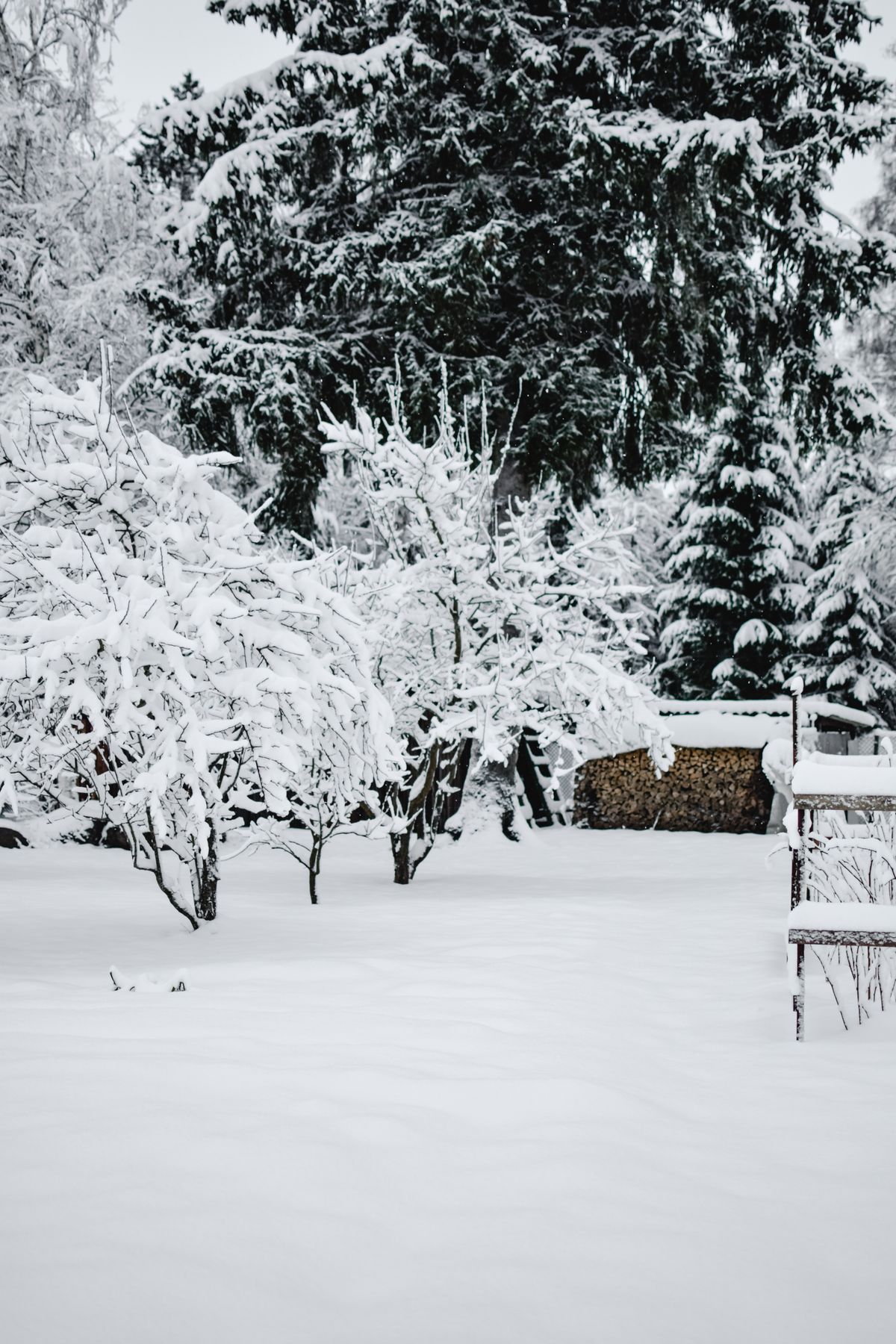
The best spring gardens are not made in spring. They are made in the quiet weeks of winter, by gardeners who use the dormant season to protect, feed and organise while nothing is demanding to be watered, staked or picked. Winter prep is unglamorous work — mulch, covers, oil and lists — but every hour of it returns three in April, when your beds are clean, your tools are sharp, your soil is fed and your plants come through the cold unharmed. These eight winter garden prep tasks are the ones that matter most. Do them in any order, across a few mild weekends, and your garden will wake up weeks ahead of the neighbours’.
1. Mulch Beds Generously Before Hard Frosts
A deep mulch is a winter coat for your soil. Spread eight to ten centimetres of compost, shredded leaves or bark over beds once the ground has cooled, keeping it clear of stems and crowns. Mulch stops freeze-thaw cycles from heaving roots out of the ground, protects soil life, and slowly feeds everything as it breaks down. Beds mulched in winter hold moisture better and weed less all the following season.
2. Protect Tender Plants and Pots
Half-hardy plants, young shrubs and anything in a pot needs a plan before the first hard frost. Wrap tender shrubs in fleece on the coldest nights, move pots against a sheltered wall, and cluster them together so they share warmth. Terracotta pots crack when wet compost freezes inside them, so raise them on pot feet and shelter the empties. Ten minutes of protection in winter saves replanting — and repurchasing — in spring.
3. Drain Hoses, Taps and Watering Kit
Frozen water splits hoses, cracks watering cans and bursts outdoor taps, and the damage only shows in spring. Disconnect and drain every hose, store it coiled under cover, turn off and drain outside taps, and empty water butts or leave them a route to expand safely. Bring timers, sprayers and delicate fittings indoors. This is the least exciting task on the list and the one that saves the most money.
4. Clean, Sharpen and Oil Your Tools
Winter is tool season. Scrub soil and sap from blades, sharpen secateurs, spades and hoes, sand rough handles and rub everything metal with a light coat of oil to stop rust. A sharp spade edge cuts winter digging work in half, and clean tools carry no disease into spring pruning. Hang them up dry and organised, and the first spring job starts in minutes instead of after a treasure hunt in the shed.
5. Test the Soil and Add What It Needs
With beds empty, winter is the easiest time to test soil pH and fertility and to correct what you find. Lime applied in winter has months to work before spring planting, and bulky organic matter dug into heavy soil gets broken down beautifully by frost and worms. Gardeners who feed the soil in winter stop firefighting deficiencies in June, when plants are already struggling to show them what is wrong.
6. Clear Debris Where Pests and Disease Hide
Not all tidiness is vanity: fallen diseased leaves, rotten fruit and spent vegetable plants shelter the spores and eggs that attack first in spring. Clear them to the hot compost or the bin — never onto the compost heap if they are diseased. Leave some hollow stems and a quiet leaf pile in a corner for overwintering insects and wildlife, but keep beds around fruit and roses clean. Balance, not sterility, is the goal.
7. Order Seeds Early and Sketch the Plan
The best varieties sell out, and the best plans are drawn slowly. Spend a dark evening with the catalogues, order seeds while everything is in stock, and sketch where each crop and flower bed will go, rotating vegetables away from last year’s spots. A winter plan stops the spring panic-buying of whatever is left, and a simple map means every seed you sow has a home waiting for it.
8. Check Structures, Fences and Supports
Winter storms find every weak fence panel, wobbly trellis and cracked pane. Walk the garden on a calm day and fix what you find: re-seat loose posts, replace broken ties, clean greenhouse glass so winter light reaches overwintering plants, and clear gutters that overflow onto beds. Repairs are twice as easy, and twice as cheap, before something falls on the plants it was meant to support.
None of these tasks takes a whole day, and together they change the entire character of your spring. Protect, feed, sharpen and plan now — and when the season turns, you will be planting while everyone else is still repairing.