

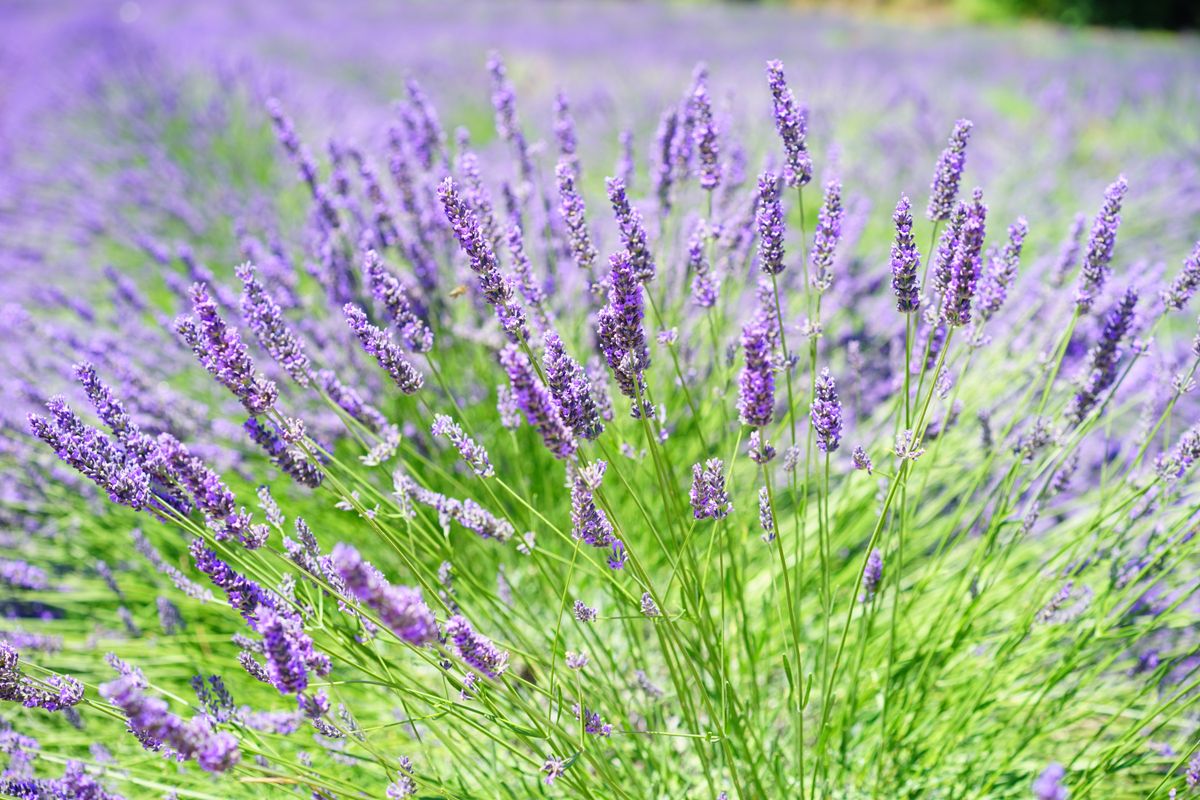
Hot, dry summers are becoming the norm in many regions, and keeping a thirsty garden alive can mean endless watering and a painful water bill. The smarter answer is to plant things that actually enjoy those conditions. Drought-tolerant plants have deep roots, silvery leaves or water-storing stems that let them thrive on rainfall alone once established. The nine plants below are not dusty survivors either: they bring months of flowers, fragrance and pollinators to the garden. Plant them this season, water them through their first year, and then enjoy a beautiful border that mostly looks after itself.
1. Lavender
Lavender is the queen of dry gardens: fragrant purple flower spikes, silvery evergreen foliage and a magnet for bees from early summer onwards. It demands sharp drainage and full sun, and it positively dislikes rich, wet soil, which makes it perfect for poor, stony ground where other plants sulk. Trim the flower stems after blooming and give the plant a light shaping in spring. A lavender hedge along a sunny path releases scent every time you brush past it.
2. Sedum
Sedums store water in their thick, fleshy leaves, so they laugh at dry spells. Low, ground-covering types carpet hot edges and green roofs, while upright varieties produce broad heads of pink or red flowers in late summer that bees adore and that dry into handsome winter silhouettes. Plant them in the poorest, sunniest soil you have and then forget them. If a stem breaks off, just push it into the ground and it will root into a brand-new plant.
3. Russian Sage
With clouds of small lavender-blue flowers floating above silvery-white stems, Russian sage gives dry borders an airy, romantic feel from midsummer into autumn. It grows happily in poor, dry soil and full sun, needs no watering once established, and deer leave it alone. Cut the stems down to low buds in spring and that is all the care it asks for a whole year. Plant it where its height can soften fences and walls.
4. Yarrow
Yarrow’s flat flower heads in yellow, white, pink and terracotta sit above ferny, aromatic foliage and last for weeks in the border and in a vase. It is one of the toughest perennials you can plant, thriving in poor, dry soil and blooming better when it is not fed or watered too kindly. Deadhead the first flush for a second round of flowers. Butterflies love it, and the dried heads add texture to the autumn garden.
5. Coneflower
Coneflowers pair daisy-like blooms with deep, drought-hunting roots. Once established they flower from midsummer to autumn with very little water, feeding bees and butterflies while in bloom and goldfinches from their seed cones afterwards. They tolerate heat, humidity and poor soil, and modern varieties come in sunset oranges, pinks and whites as well as classic purple. Leave the cones standing over winter and cut them down when new growth appears in spring.
6. Catmint
Catmint makes soft, sprawling mounds of grey-green leaves and violet-blue flower spikes that keep coming from late spring into autumn, especially if you shear the plant back after the first flush. It thrives in dry, sunny spots, shrugs off poor soil, and its aromatic leaves keep deer and rabbits away. Use it to edge paths and soften the feet of roses. Few plants give you this many months of colour for this little water.
7. Ornamental Grasses
Grasses such as blue fescue, feather reed grass and switchgrass evolved on open prairies and steppes, so dry summers suit them perfectly. They bring movement, texture and late-season plumes to the border, then stand golden through winter. Most need exactly one job a year: cutting the old growth down in late winter. They ask for no feeding, little water once established, and they are rarely bothered by pests or disease, which makes them the backbone of a water-smart garden.
8. Santolina
Santolina, also called cotton lavender, forms neat silver mounds of finely cut, aromatic foliage topped with small yellow button flowers in summer. It is built for hot, dry, Mediterranean-style conditions and clips beautifully into low hedges and knots. Like lavender, it needs excellent drainage and hates sitting in wet winter soil. Plant it along sunny paths and steps where its foliage can be brushed and its clean, herbal scent released on warm evenings.
9. Agave and Hardy Succulents
For the hottest, driest corner of the garden, sculptural succulents are unbeatable. Agaves, sempervivums and hardy opuntias store water in their leaves and can go all summer without a drop from the hose. Grow tender types in pots you can shelter in winter, and plant hardy ones in gravelly, raised soil where rain drains away fast. Their bold shapes contrast beautifully with soft grasses and flowers, giving a dry garden its structure and its most photographed corner.
A water-smart garden is not a compromise: it is a garden full of lavender scent, dancing grasses and months of flowers, built on plants that suit your climate instead of fighting it. Water new plants through their first season while their roots go deep, mulch with gravel to keep roots cool, and group thirsty plants together so you only water one small area. After that, your hose can mostly stay on its hook.