

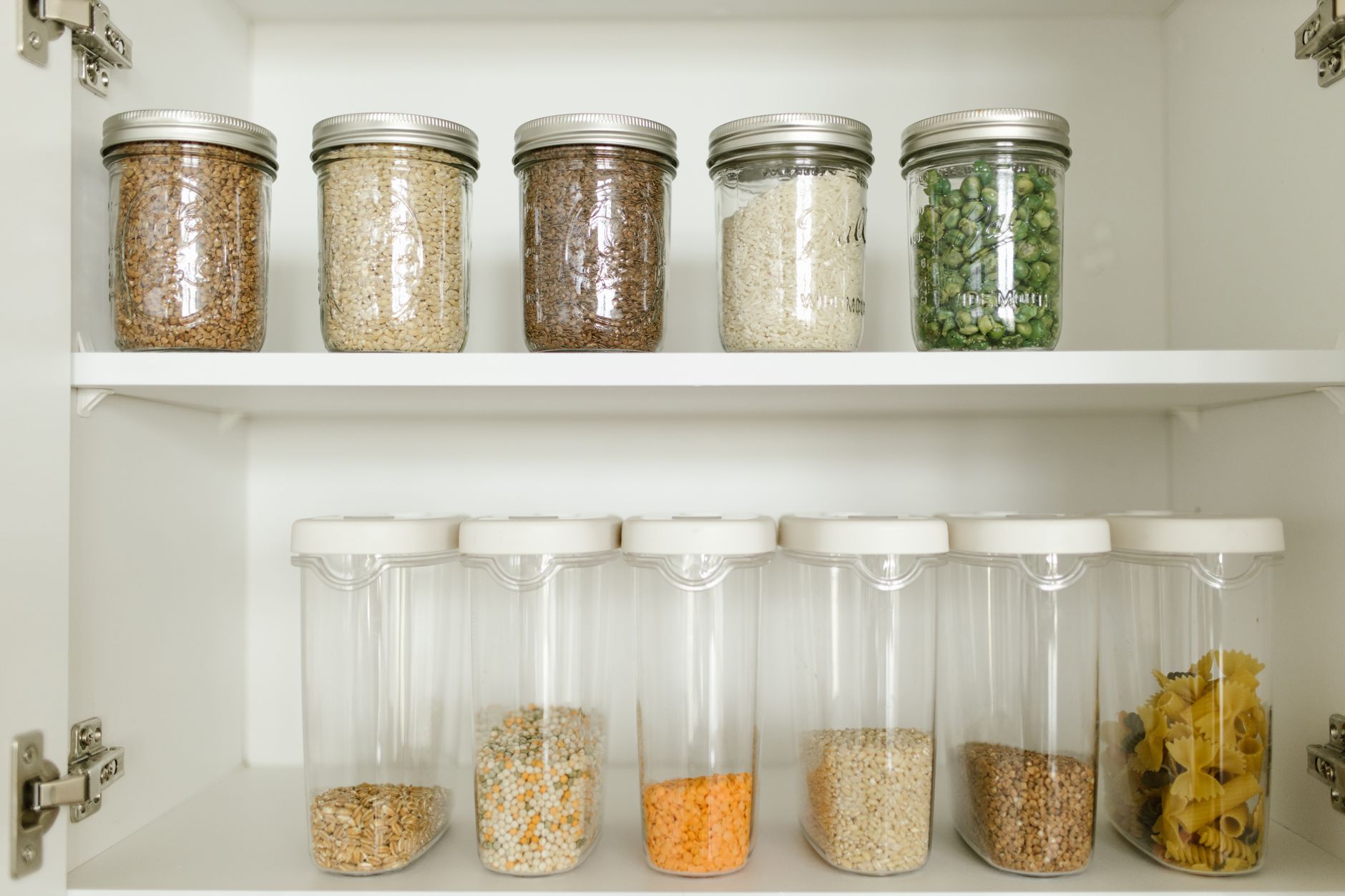
An organized pantry does more than look good. It helps you see what you already own, use food before it expires, and stop buying duplicates you do not need. With a few simple systems, you can cut food waste, lower your grocery bill, and make cooking faster and less stressful. These ten pantry organization ideas are practical, affordable, and easy to start this weekend.
1. Use Clear Containers
Clear containers let you see exactly how much flour, rice, pasta, or cereal you have left. Transfer dry goods into airtight containers so they stay fresh longer and are easy to stack on shelves. Choose square containers because they use space better than round ones. When you can see your supplies at a glance, you will not buy another bag of something you already have.
2. Label Everything Clearly
Labels save time and prevent confusion, especially for foods that look alike. Write the name and expiry date on each container with a label maker, chalk marker, or simple masking tape. Include the date you opened a package so you know how fresh it is. Clear labels help everyone in the household find things and put them back in the right place.
3. Follow First In, First Out
First in, first out means using older food before newer food, and it is one of the easiest ways to save money. When you bring groceries home, move older items to the front of the shelf and place new items behind them. This simple habit keeps food from expiring unnoticed at the back of the pantry. Check dates once a month and plan meals around items that need using soon.
4. Keep a Pantry Inventory List
A pantry inventory list stops impulse buying and makes meal planning much easier. Keep a simple list on the pantry door, in a notebook, or on your phone, and update it when you use the last of an item. Before shopping, check the list instead of guessing what you need. Over time, you will notice patterns in what you use most and buy smarter.
5. Create Zones by Meal or Type
Grouping similar items together makes your pantry faster to use and easier to maintain. Create zones for breakfast foods, baking supplies, snacks, canned goods, and spices so everything has a clear home. Store daily items at eye level and rarely used items higher up or lower down. When each zone is clear, putting groceries away takes only a few minutes.
6. Use Baskets and Bins
Baskets and bins turn messy shelves into tidy, pull-out drawers. Use one basket for snacks, one for sauces, and one for baking supplies, so small items do not get lost or knocked over. Choose bins that fit your shelves well and label the front of each one. Pulling out a whole basket is much faster than reaching behind rows of small packages.
7. Decant Bulk Buys Wisely
Buying in bulk can save money, but only if you store it well and use it before it goes stale. Decant bulk foods into smaller airtight containers for everyday use and keep the rest sealed in a cool, dry place. Write the expiry date on each container so nothing is forgotten. This system works especially well for rice, oats, beans, and flour.
8. Plan Meals From Your Pantry First
Before you write a shopping list, look at what is already in your pantry and plan two or three meals around it. This habit uses up half-empty packets, reduces waste, and often cuts a whole shopping trip from your week. Keep a short list of flexible pantry recipes, such as soups, pasta dishes, and stir-fries, that work with many ingredients. Your grocery bill will drop quickly.
9. Keep a Running Shopping List
A running shopping list prevents forgotten items and extra trips to the store. Keep a notepad or a shared phone list in the kitchen and add items as soon as they run low. Ask everyone in the household to add what they finish. When shopping day arrives, you will buy only what you truly need, which saves both money and time.
10. Do a Quick Monthly Audit
A short monthly audit keeps your pantry organized for the long term. Once a month, take ten minutes to check expiry dates, wipe the shelves, and move items that are close to expiring to the front. Donate unopened food you will not use and toss anything spoiled. This small routine prevents clutter from building up and keeps your system working all year.
An organized pantry is a simple way to save money every single week. Start with clear containers and labels, add a shopping list and a monthly check, and enjoy a kitchen that works for you. Save this guide for your next pantry reset, and share it with a friend who wants to spend less on groceries.