

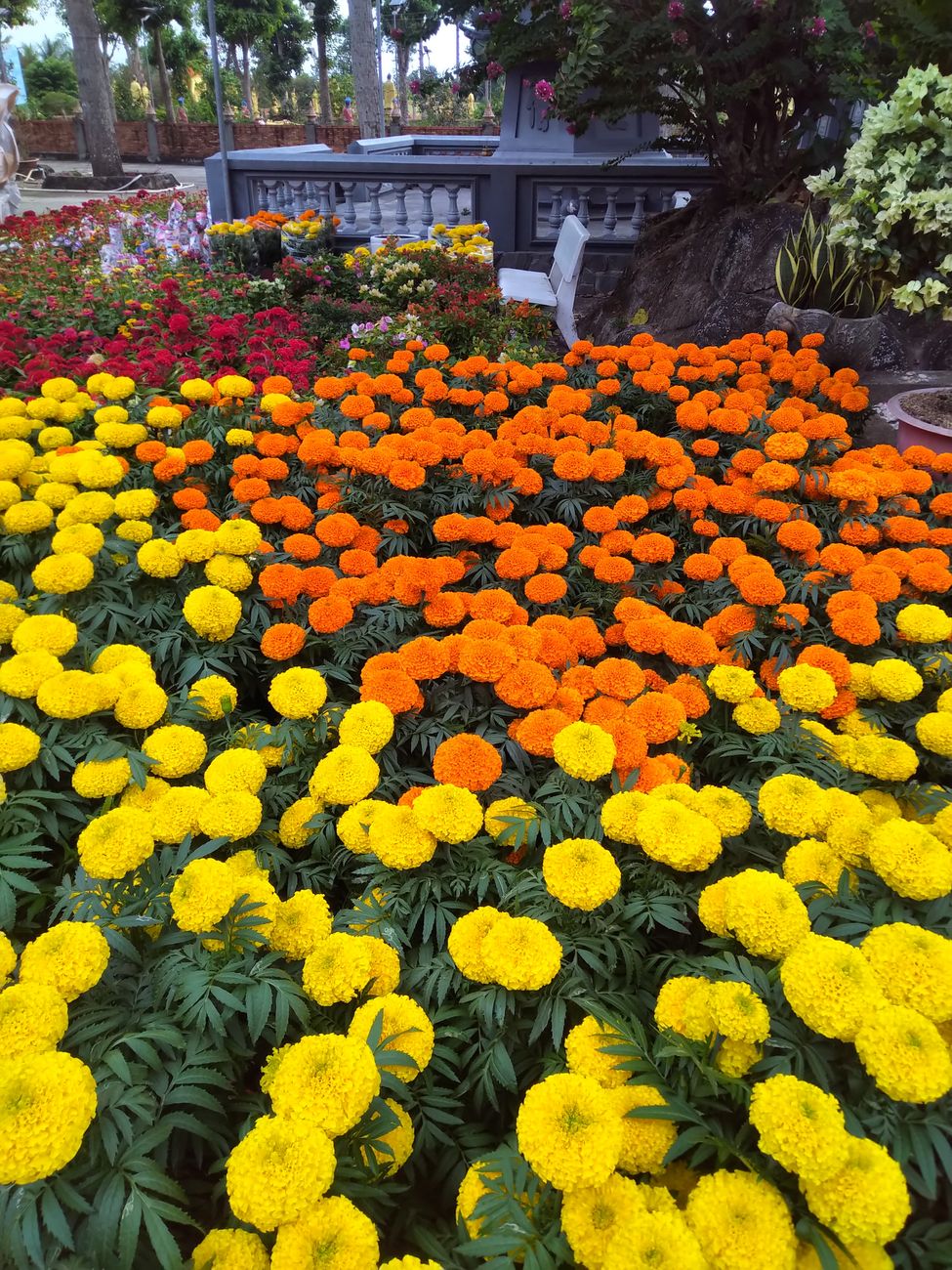
Pests can turn a healthy garden into a frustrating one in just a few days, but you do not need harsh chemicals to stop them. Natural methods protect your plants, keep bees and other helpful insects safe, and keep your vegetables safe to eat. The best approach is to combine several gentle strategies, so pests have fewer places to hide and fewer reasons to stay. These seven natural ways are easy, affordable, and kind to your garden. Try one or two first, then add more as you learn what works.
1. Plant Marigolds and Companion Plants
Companion planting uses strong-smelling plants to confuse and repel pests. Marigolds are famous for keeping aphids and nematodes away, while basil protects tomatoes and mint can deter ants and cabbage moths. Plant them around vegetables and flowers, and mix different plants together instead of growing one crop in a large block. A diverse garden is harder for pests to attack, and it looks more beautiful too. Start with marigolds, because they are easy to grow from seed.
2. Spray With Neem Oil or Soap Water
Neem oil is a natural plant oil that discourages many common pests, including aphids, whiteflies, and spider mites. Mix a few drops with water and a little mild soap, then spray the leaves in the early morning or evening. Soap water alone can also wash soft-bodied insects off plants, but test it on a few leaves first. Repeat after rain, and avoid spraying in strong sun, which can burn leaves. Always protect bees by spraying when they are not active.
3. Invite Ladybugs and Beneficial Insects
Not all insects are pests, and some are your best garden helpers. Ladybugs eat aphids, lacewings eat small caterpillars, and ground beetles hunt slugs at night. Plant dill, fennel, and yarrow to attract these helpful insects, and avoid broad-spectrum sprays that kill them too. You can also buy ladybugs from a garden center and release them in the evening. A garden full of beneficial insects needs far less work to stay healthy.
4. Use Barriers and Handpick Pests
Simple physical barriers can stop many pests before they reach your plants. Use fine mesh or row covers over young seedlings, copper tape around pots to deter slugs, and collars around stems to stop cutworms. Check your plants every few days, and handpick caterpillars, slugs, and beetles into a bucket of soapy water. It takes only a few minutes, and it works immediately. Early action stops a small problem from becoming a big one.
5. Keep the Garden Clean and Tidy
Pests love hiding in fallen leaves, rotting fruit, and weeds, so a tidy garden is a healthier garden. Remove dead leaves, pick up fallen fruit, and weed regularly to take away pest shelters. Water at the base of plants in the morning, so leaves dry quickly and fungal problems stay away. Do not overcrowd plants, because good air circulation makes it harder for pests and diseases to spread. A clean garden is one of the simplest pest controls.
6. Try Garlic and Chili Sprays
Garlic and chili are natural repellents that many pests dislike. Blend garlic and chili with water, strain the mixture, and spray it on leaves to deter aphids, caterpillars, and beetles. The spray washes off in rain, so reapply it after wet weather, and test it on a small area first. Wear gloves when handling chili, and keep the spray away from your eyes. This homemade spray is cheap, easy, and safe for most edible plants.
7. Rotate Crops and Mix Plantings
Growing the same vegetable in the same spot every year lets pests and diseases build up in the soil. Rotate your crops, so tomatoes, beans, and leafy greens change places each season, and mix flowers and herbs among your vegetables. This confuses pests, improves soil health, and reduces the need for any spray. Keep a simple garden map each year, so you remember what grew where. Healthy soil and varied planting are the foundation of natural pest control.
Natural pest control is not about one perfect spray, it is about building a garden that pests find hard to attack. Combine companion plants, helpful insects, clean habits, and simple barriers, and your plants will grow stronger every season. Save this guide for the next time you spot damage on a leaf, and share it with a friend who wants a garden without chemicals.