

Even a good recipe can turn out badly when a small baking mistake slips in. The good news is that most dessert failures come from the same few errors, and every one of them has a simple fix. This list explains what goes wrong, why it happens, and how to avoid it next time. Read it before your next baking session for better cakes, cookies, and pies.
1. Not Measuring Ingredients Correctly
Baking is chemistry, so measuring matters far more than it does in cooking. Scooping flour straight from the bag packs it down, and you can end up with far too much flour in the bowl. Spoon the flour into the measuring cup instead, then level it off with a knife. For the best results, use a kitchen scale, because weighing ingredients is faster, cleaner, and much more accurate.
2. Using the Wrong Oven Temperature
Many ovens run hotter or cooler than the dial says, and that difference can ruin a dessert. A cake baked too hot will rise fast and then sink in the middle, while one baked too cool will stay dense and pale. Buy an inexpensive oven thermometer and check the real temperature before you start baking. Adjust the dial until it matches the recipe.
3. Overmixing the Batter
Once flour meets liquid, mixing too much develops gluten and makes cakes tough and chewy. Stir the batter only until the flour disappears, and stop even if a few tiny lumps remain. For muffins and quick breads, a few lumps are actually a good sign that you stopped in time. Use a gentle hand, mix with a spatula instead of a mixer when you can, and your cakes will stay tender.
4. Opening the Oven Door Too Often
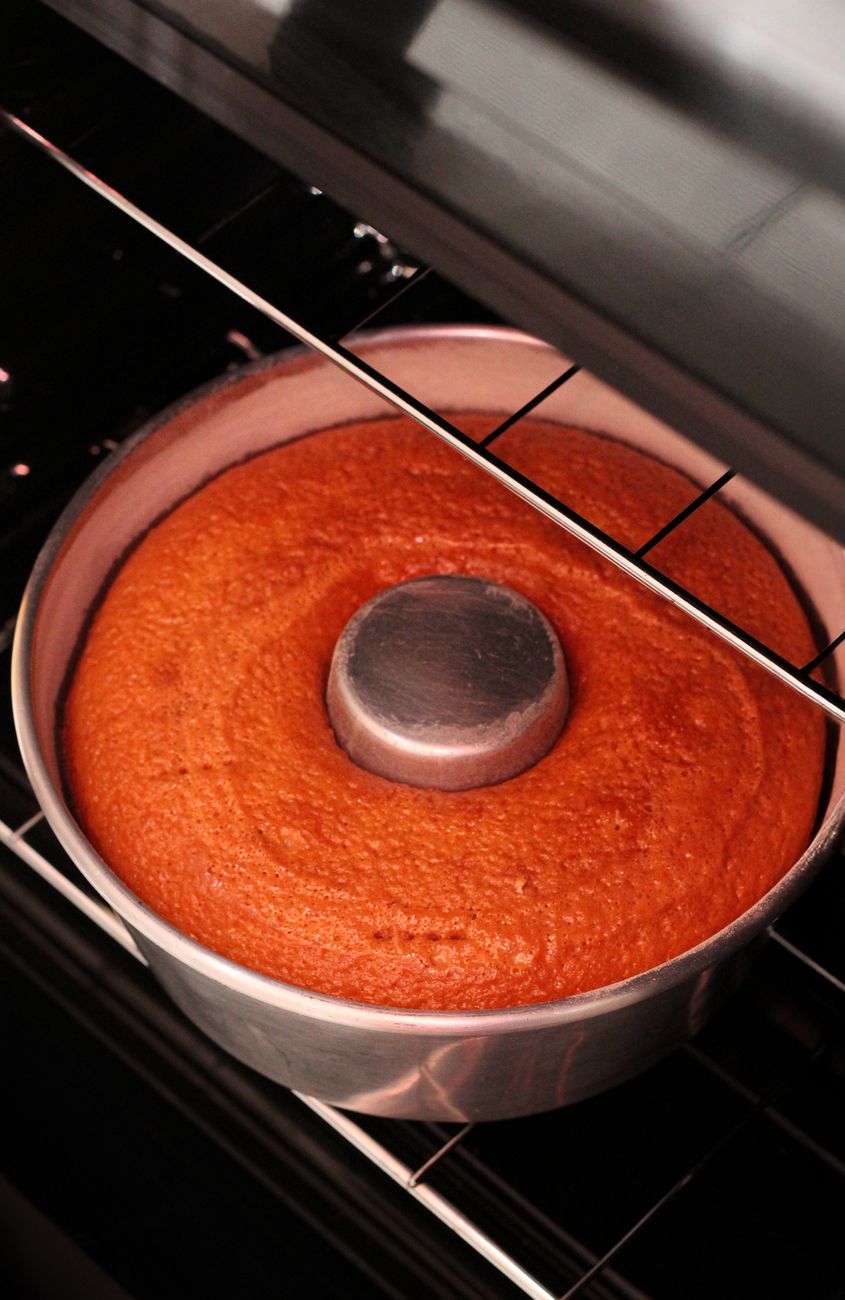
It is tempting to peek at a cake while it bakes, but every time you open the door, hot air escapes and the temperature drops. That sudden change can make a rising cake fall and leave it dense in the center. Use the oven light and the window to check on your dessert instead. Wait until the last few minutes of baking time before opening the door to test it.
5. Using Cold Ingredients Straight from the Fridge
Cold butter, eggs, and milk do not mix well, and they can leave your batter lumpy or uneven. Butter that is too cold will not cream properly with sugar, so your cake will not rise as well. Set eggs, butter, and milk on the counter for thirty to sixty minutes before baking. In a hurry, put cold eggs in warm water for ten minutes.
6. Not Preheating the Oven
Putting batter into a cold oven changes the whole baking process, because the batter spreads before it has a chance to rise. Cookies will flatten, cakes will turn dense, and the texture will never be quite right. Always turn the oven on before you start mixing, so it is fully hot when the pan goes in. Give it at least fifteen minutes to reach the right temperature, and use that time to prepare your pans.
7. Using Expired Baking Powder or Baking Soda
Baking powder and baking soda lose their power over time, and old leaveners are a common reason for flat cakes. Test baking powder by stirring a spoonful into hot water, and test baking soda by adding vinegar to it. If the mixture does not fizz strongly, throw it away and buy a fresh container. Replace opened leaveners every six months, and write the opening date on the label.
8. Overbaking Your Desserts
A few extra minutes in the oven can turn a moist cake dry and a chewy cookie hard. Start checking your dessert five minutes before the recipe time, and remember that it keeps cooking for a few minutes after it comes out of the oven. A cake is done when a toothpick comes out with a few moist crumbs, not when it is completely clean. Trust the test, not just the timer.
9. Frosting a Warm Cake
Frosting a cake before it is completely cool will melt the frosting and make it slide right off. Let the cake cool in the pan for ten minutes, then move it to a wire rack and wait until it feels cool to the touch. If you are in a hurry, put the cake in the fridge for thirty minutes before frosting. A thin crumb coat first, chilled for fifteen minutes, will also help you get a smooth, clean finish.
10. Using the Wrong Pan Size
The pan size in a recipe is not a suggestion, because it controls how thick the batter is and how it bakes. A small pan makes a thick cake that stays raw in the middle, while a large pan makes a thin cake that dries out. If you do not have the right pan, adjust the baking time and check the cake early and often. Better yet, invest in the common pan sizes, because they make every recipe work the way it was written.
Great baking is mostly about avoiding a few simple mistakes. Keep this list in your recipe book and check it before your next dessert. Save this post for your next baking day, share it with a friend who loves to bake, and tell us in the comments which mistake you have made most often.