

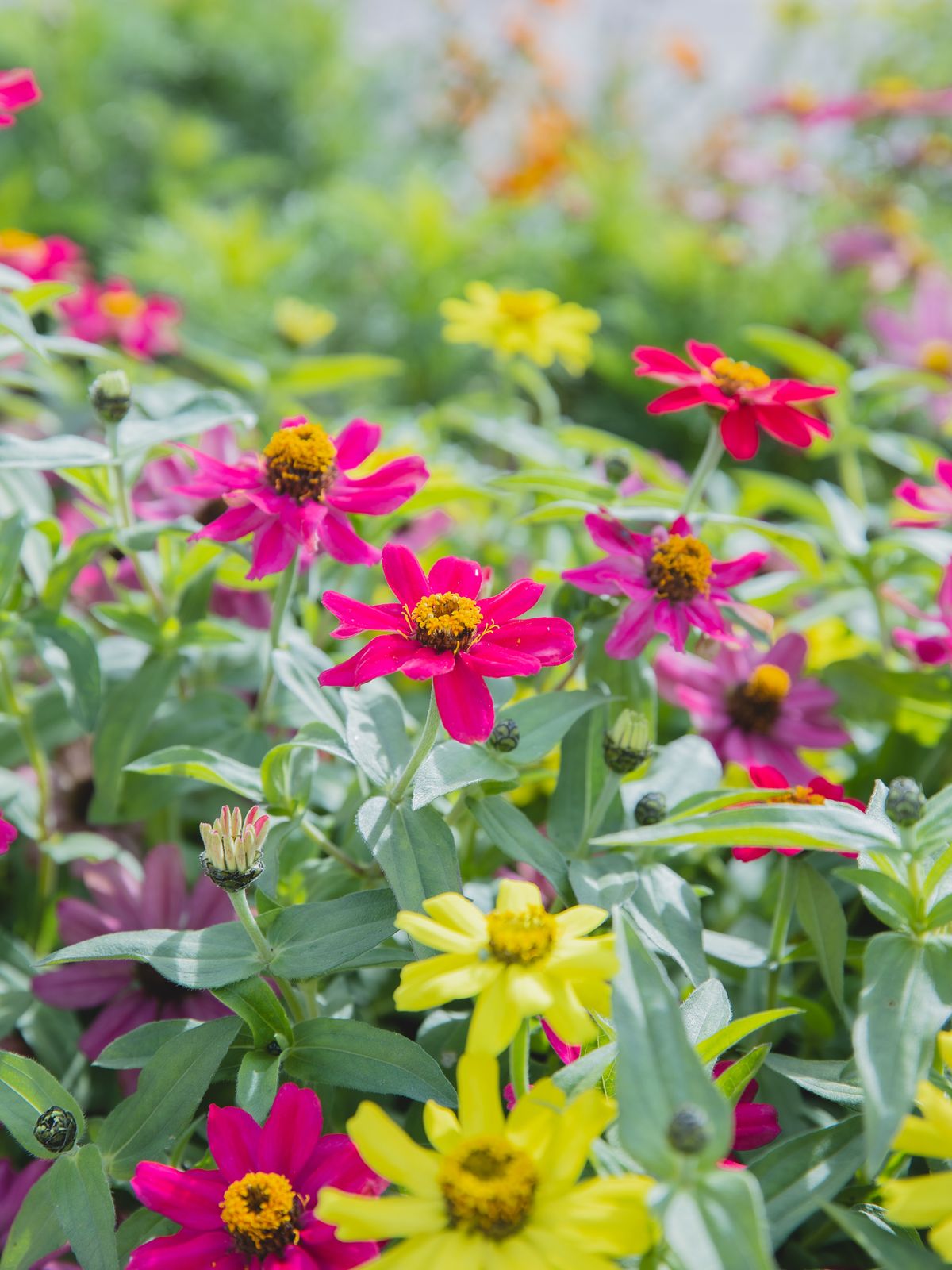
Annual flowers are beautiful, but replanting beds every spring gets expensive and exhausting. Perennials solve that problem: plant them once and they return year after year, growing bigger and better with time. The trick is choosing varieties that genuinely look after themselves once established. The ten low-maintenance perennials below tolerate drought, shrug off poor soil, resist most pests and still put on a show. Mix early, mid and late bloomers and your garden will have colour from spring to frost with little more than an annual tidy-up.
1. Hosta
Hostas are the backbone of shady gardens, grown for their bold, architectural leaves in greens, blues and golds. Once planted they need almost nothing: no deadheading, no staking and no regular feeding. They tolerate deep shade where flowers refuse to bloom, and clumps expand steadily until you divide them. Water during long dry spells in their first year, then let them be. Few plants give so much presence for so little effort in return.
2. Daylily
Daylilies earned their carefree reputation honestly. Each flower lasts a single day, but a mature clump produces dozens of buds, so the show runs for weeks. They grow in almost any soil, survive drought and heat, and rarely suffer pests or disease. Choose reblooming varieties and you will get a second flush in late summer. Divide clumps every four or five years, and you will have free plants to spread around the garden.
3. Sedum
Sedum, especially the upright autumn types, is practically indestructible. Its fleshy leaves store water, so it sails through dry spells that kill fussier plants. Flat clusters of pink, red or white flowers open in late summer exactly when bees and butterflies need them most, and the dried seed heads look handsome all winter. Plant it in full sun and well-drained soil, then ignore it completely. It is the definition of low maintenance.
4. Russian Sage
Russian sage brings clouds of lavender-blue flowers and silvery, aromatic foliage to hot, dry borders from midsummer into autumn. It thrives in poor, stony soil where richer-loving plants struggle, and it never needs watering once established. Cut the stems down in early spring and that is the entire yearly routine. Its airy height makes it perfect behind shorter plants, and pollinators crowd its flowers on sunny afternoons from July through September.
5. Black-Eyed Susan
Golden black-eyed Susans light up borders from midsummer to frost with almost no help from you. They self-seed gently, tolerate drought and poor soil, and their seed heads feed goldfinches through autumn if you leave them standing. Deadhead the first flush if you want more flowers, or leave everything alone and enjoy the wildlife instead. Either way, this cheerful native perennial returns reliably and spreads into generous drifts over the years.
6. Peony
Peonies are the marathon runners of the garden: a well-planted clump can flower for fifty years or more. Their lush spring blooms and sturdy foliage need no staking in sheltered spots and no dividing, in fact they resent being moved. Plant the crown just below the surface, give them sun and patience for the first two seasons, and they will reward you with armfuls of fragrant flowers every single year after that.
7. Catmint
Catmint forms soft mounds of grey-green leaves topped with spikes of violet-blue flowers for months on end. Shear it back after the first flush and it blooms again within weeks. It shrugs off drought, poor soil and heat, and deer and rabbits leave its aromatic foliage alone. Use it to edge paths, where brushing past releases its minty scent, or let it spill gracefully over the front of sunny borders all season.
8. Coneflower
Coneflowers combine sturdy daisy-like blooms with genuine toughness. They flower from midsummer into autumn in purple, pink, white and sunset shades, feeding bees and butterflies while standing and finches from their seed cones later. They tolerate heat, humidity and drought once established, and they never need staking. Leave the cones standing through winter for the birds, then cut everything down in spring when new growth appears at the base.
9. Coral Bells
Coral bells are grown mainly for their remarkable foliage, which comes in lime, caramel, plum and near-black, with dainty flower spikes in summer as a bonus. They suit borders, shade and containers equally well, and most varieties keep their leaves through mild winters. They ask only for reasonable drainage and an occasional tidy of tired leaves. For colour that works even when nothing is in flower, few perennials earn their space so easily.
10. Ornamental Grasses
Ornamental grasses add movement, texture and sound to the garden for three seasons, then stand through winter as golden architecture. Most need just one job a year: cutting the old growth down in late winter before new shoots emerge. They tolerate wind, drought and poor soil, need no feeding and are rarely troubled by pests. From compact mounds to tall screens, there is a grass for every gap in a low-maintenance border.
Plant a mix of these ten perennials and your garden will largely run itself: colour in every season, food for pollinators and birds, and weekends free for enjoying it all. Start with three or four that suit your soil and light, let them settle in, and add more each year. Perennial gardening rewards patience, and the display only gets better with time.