

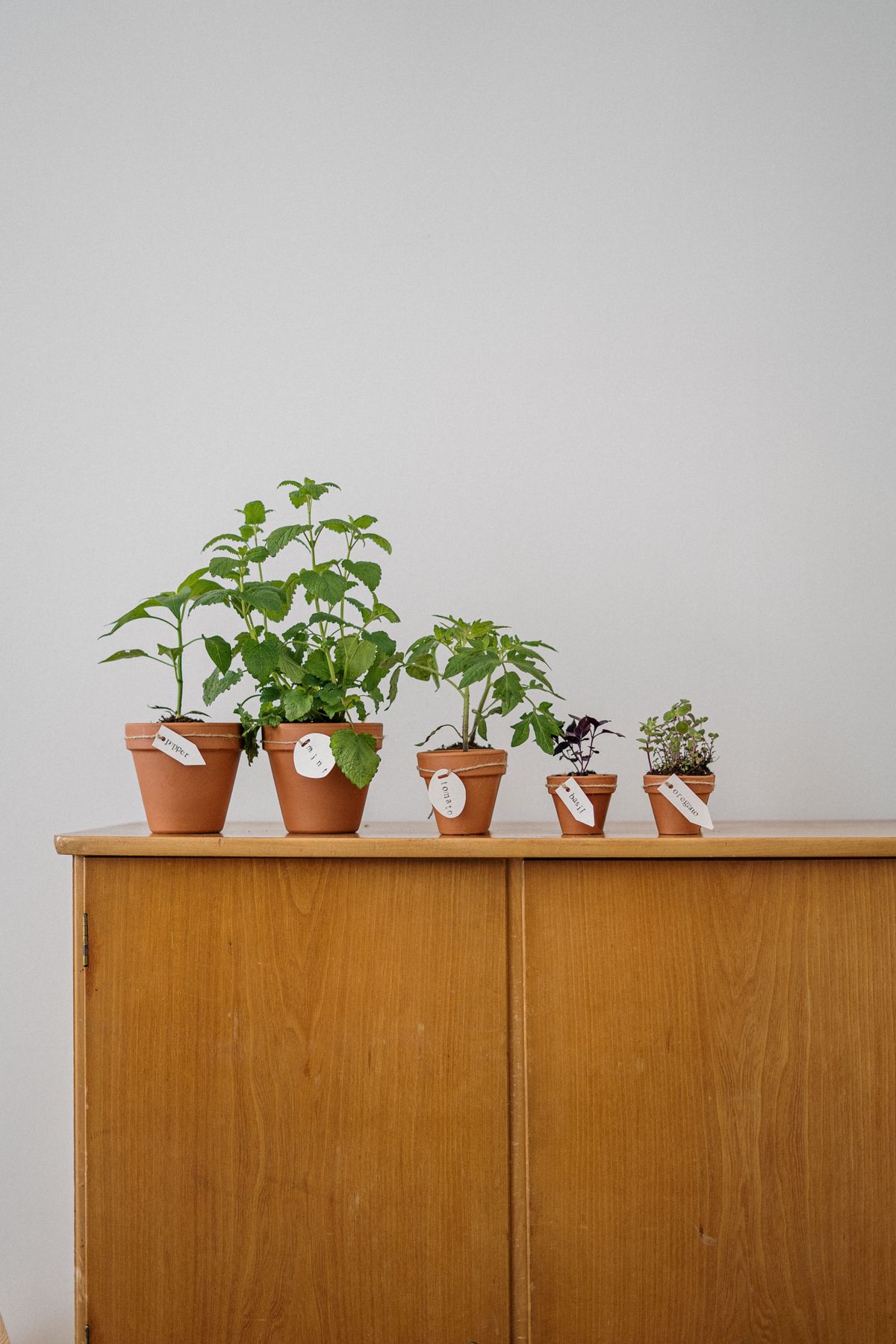
Indoor herbs should be the easiest gardening there is: no weeds, no slugs, harvest from the kitchen counter. Yet windowsills everywhere are graveyards of leggy basil, crispy rosemary and mint that gave up in a fortnight. The plants are rarely the problem. Indoor conditions quietly break the rules herbs live by outdoors: far less light than it looks, dry heated air, and pots that hold water like buckets. The good news is that nearly every indoor herb death traces back to the same seven mistakes, and every one of them is fixable this week.
1. Trusting a Bright-Looking Windowsill
A windowsill that feels bright to you delivers a fraction of outdoor light, and glass cuts it further. Herbs stretch pale and leggy toward the pane, then collapse. Choose your sunniest, preferably south-facing sill, turn pots a quarter every few days so plants grow evenly, and accept the honest fix for dark homes: a small LED grow light on a timer transforms indoor herbs more than any feed or tonic.
2. Using Pots Without Drainage Holes
Pretty cachepots with no holes are the number one herb killer indoors. Roots sit in stagnant water, rot quietly, and the plant wilts in wet soil, which tempts you to water more. Grow in pots with holes standing in saucers, empty the saucer thirty minutes after watering, and only use the decorative pot as a sleeve. If the soil smells sour, the roots are already in trouble.
3. Buying Supermarket Herbs and Expecting Them to Live
A supermarket basil pot is not one plant; it is twenty seedlings crowded for a quick sale, designed to be used within days. Split the clump into three or four pots with fresh compost the day you bring it home and it can live for months. Left crowded, the seedlings strangle each other and the whole pot collapses within two weeks, no matter how carefully you water.
4. Watering on a Schedule Instead of by Feel
Indoor pots dry at wildly different rates depending on heating, sun and pot size, so calendar watering drowns some plants and droughts others. Check with a finger pushed two centimetres into the soil: water when the top feels dry for Mediterranean herbs such as rosemary and thyme, and when just barely moist for basil and parsley. Always water thoroughly, then let the plant drain fully.
5. Keeping Every Herb in the Same Conditions
Your herbs come from different continents and want different lives. Rosemary, thyme and sage want lean soil, maximum sun and to dry out between waterings. Basil, mint and parsley want richer soil and steadier moisture. Grouping them in one trough on one watering routine guarantees half of them lose. Pot herbs individually, group by thirst, and let each plant have the conditions its homeland suggests.
6. Harvesting Too Little, Too Late
Indoor herbs that are never cut grow woody, flower and give up, especially basil. Harvest little and often, pinching tips out to force bushy growth, and never let basil flower indoors. Cut whole stems just above a leaf pair rather than snipping single leaves, which leaves ugly stubs. Regular harvesting is not taking from the plant; for most herbs it is the care routine that keeps it young.
7. Ignoring Dry Air, Radiators and Pests
Central heating drops indoor humidity brutally in winter, and herbs respond with crispy leaf edges and an invitation to spider mites. Keep pots away from radiators and hot air vents, group plants together to share humidity, and mist or pebble-tray soft-leaved herbs. Check leaf undersides weekly: a shower in the sink at the first sign of mites or aphids saves the whole collection.
Light first, drainage always, water by feel and harvest often. Fix those four habits and the other mistakes mostly fix themselves. Start with one plant this week: repot it with drainage, move it to your sunniest sill, split it if it is a crowded supermarket clump, and pinch its tips. Watch it answer within a fortnight. Indoor herbs are not fragile; they are just honest about conditions, and a windowsill that respects them stays green and fragrant all year, within arm’s reach of every meal you cook.